
When Groundwood Paper Makes Sense for Book Printing
Paper selection plays an important role in both a book’s appearance and its overall production budget. For some titles, groundwood paper can be a practical option for controlling costs while still producing a readable, professional result.
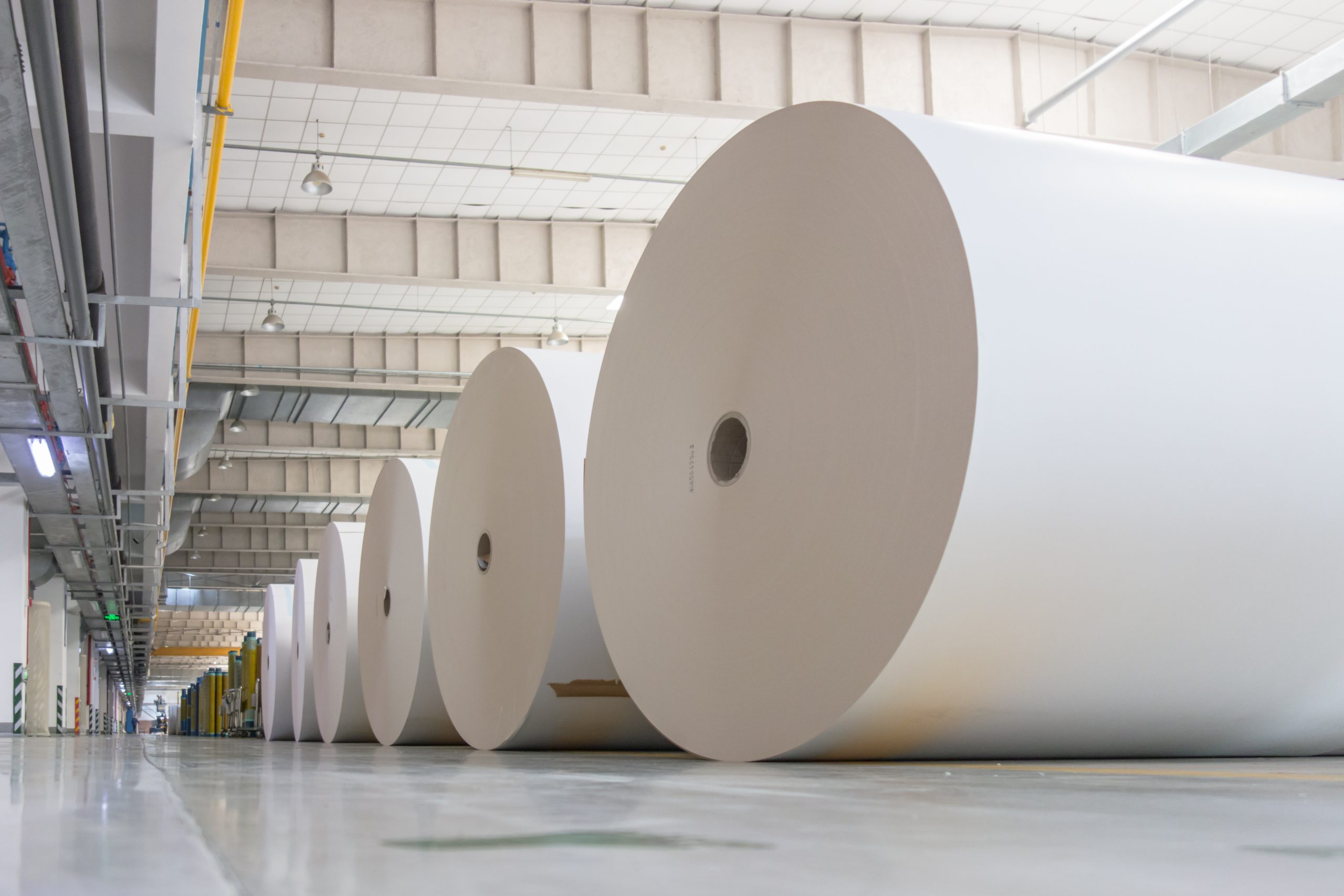
Groundwood paper is made using mechanical pulp that retains more of the wood fiber. Because this process yields more usable fiber from the raw material, it can typically be produced at a lower cost than traditional freesheet papers. Groundwood stocks also tend to provide good bulk and opacity for their weight, which is why they are widely used in high-volume print applications.
Why Consider Groundwood
The primary advantage of groundwood paper is cost efficiency. When paper represents a significant portion of a printing budget, choosing a more economical stock can meaningfully reduce production costs. Groundwood papers often provide:
- Good opacity for text-heavy books
- Solid bulk at lighter weights
- Lower overall paper costs
When Groundwood Works Best
- High-volume paperback titles
- Educational or curriculum materials
- Books with shorter sales cycles
In these situations, the goal is often to produce a readable, well-made book while managing overall production costs.
When Another Paper May Be Better
Groundwood is not suitable for every project. Since the paper retains more natural lignin from the wood fibers, it can gradually yellow and become more brittle over time. For books meant to stay in circulation for many years, publishers often opt for freesheet papers because of their greater brightness, stability, and durability.
Choosing the Right Paper
Paper selection should always support the goals of the project. At CHG, we work with authors and publishers to evaluate paper options based on budget, print quantity, and the book’s intended life.